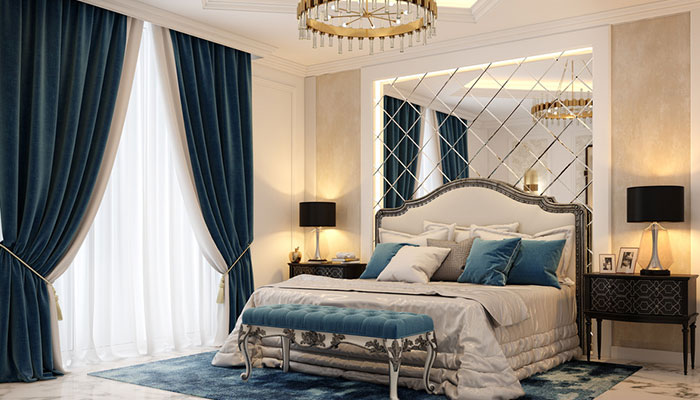
Why Is Rhythm Desirable In Interior Design?
When you walk into a room, do you immediately feel calm? This could be because the space is designed with a steady rhythm. It guides your eyes through balance and harmony. With so many design choices, you may have a hard time deciding. But if you understand the rhythm of design, you can find your way confidently.
Seize the opportunity to showcase your style and utility in a way that meets your needs. Then turn the problem into a satisfying design solution that fits your rhythm.
Table of Contents
What Is Rhythm in Interior Design?
In interior design, rhythm is the deliberate repetition or orderly placement of visual elements to give a room a sense of movement. Utilizing this important design concept helps create a dynamic sense of flow. It allows the eye to move easily from one part of the room to another.
This steady rhythm in interior design is like the steady beat of music. It creates a natural sense of flow through the use of color, pattern, or architectural elements. This creates patterns that feel naturally correct and appeal to the senses.
What Is the Purpose of Rhythm in Design?
Rhythm is like the pulse of a room, energizing and invigorating the space. It is important to maintain a sense of visual flow and forward motion. This not only makes the space look aesthetically pleasing but also improves the efficiency of its use and makes it comfortable to live in.
- Rhythm directs the eye and creates a story in the space. It allows people to follow the story as they look around. This enables better utilization of the space.
- It brings together different design elements to create a unified visual theme. Such as color schemes and furniture arrangements.
- There is a planned reuse of design elements such as color schemes and textures. This can make different parts of a room look like they belong to the same whole.
- By maintaining a steady rhythm, the space can not only be seen but also felt. This creates an emotional connection through natural flow.
- As well as supporting the function of the room, it helps people to visualize and understand the area.

Wear Resistant Easy to Clean UV Marble Sheet
UV marble sheet captures the exquisite beauty of natural marble with remarkable precision. From the intricate veining and...
View MoreHow Does Rhythm Affect a Room?
In interior design, rhythm, if used correctly, can transform a dull room into a lively, active space. It creates a soft and interesting rhythm that effectively changes the perception of the space. It can provide a visual impact and make a room fun and welcoming. Elements such as color gradients, lighting choices, and furniture arrangements all play a role in creating this interesting rhythm.
- Place design elements such as sofas or coffee tables in the right places. This allows for a smoother flow of space, which enhances the user experience.
- The design theme that runs throughout the environment is reflected in the subtle patterns in the décor and the careful mix of decorative elements.
- By using accent colors or strong design elements in key areas. Rhythm helps organize design elements and draws attention to them. It does this by adding visual anchors and drawing attention to key areas.
- From eye-catching design elements to understated background elements, varying rhythms create a lively sense of flow that keeps spaces warm.
- Rhythm includes stability and variety, which prevents spaces from becoming monotonous. It also ensures that the design works well both visually and functionally.
Why Is Rhythm Important in Interior Design?
Enhancement of Fluidity and Coherence
Home decoration is guided by rhythm, which creates a sense of smooth, uninterrupted flow through visual anchors and clever design spacing. It naturally guides the eye and makes changes of direction fluid and natural. The basic guidelines for home design ensure that every room, from the living room to the kitchen, has a smooth flow of movement and an aesthetically pleasing appearance.
Creating Visual Interest
Rhythm adds a layer of interest to a space through the use of geometric shapes, a unified color palette, and other rhythmic design elements. This variation avoids the monotony of the space and instead creates a lively atmosphere. Ultimately, the sensory experience and visual narrative are enhanced.

Improved Functionality
The correct use of rhythmicity helps to differentiate between different areas of a room. This can make each area more practical and functional. Strategically using the same key design elements in all spaces can tie the overarching theme together. Everything from furniture placement to color choices becomes easier.
Helps Maintain the Balance of a Space
A sense of rhythm can blend different types of architecture and furniture together. This creates an aesthetically pleasing and logical whole. By balancing diversity and unity, rhythmicity ensures that all parts of a space are in harmony, resulting in a unified visual impression.
Showing Personality
When personal items such as artwork and heirlooms are displayed repeatedly in a fixed manner. They highlight the personality and style of the owner. In this way, the owner’s story is passed around the house. Your living room can then become a true reflection of its occupants.
Creating Ambience
By using rhythm, you can change the atmosphere of a room. You can use color, texture, and light to create a relaxing or uplifting space that evokes a specific feeling.
Enhance Aesthetics
A well-crafted rhythmic design not only satisfies visual needs but also enhances the overall appearance. It creates an interesting space where various design elements blend seamlessly. You can then create rooms that are both stylish and functional.

How to Establish Rhythm in Interior Design?
Repetition
The use of key elements over and over again can stabilize an interior design. This creates a steady rhythm and harmonizes the whole area. Repetition of shapes, colors, or textures gives a sense of unity and order to a space. As a result, repetition can make a space look aesthetically pleasing and well-coordinated. This repetition creates a pattern that is easy to recognize and follow, which is good for the eyes. Additionally, it allows for a regular flow that is both deliberate and thoughtful.
Here are some different ways to use repetition to create rhythm:
- Use the same geometric shapes on wall decor, cushions, and rugs.
- Use the same polished stone table in the dining room and living room.
- Add rustic textures repeatedly to lighting fixtures, furniture, and accessories.
- Use the same color scheme in all rooms. This can make them look like they belong to the same whole.
- Use the same architectural elements throughout the house, such as arches or columns.
Radiant
Radiant means arranging items in a circle around a central point so that they look interesting. This style often uses circular furniture or decorative items to draw attention and create a focal point. An example would be a coffee table or other furniture that surrounds a room. It directs the eye slowly outward so that the space feels larger and more fluid. Radiant rhythms therefore help to make a space lively and balanced.
Here are some examples of radiant in design:
- A round dining table is placed in the center with chairs around it.
- The components of the lamps extend outward from the spindle.
- Arrange vases or statues in a circle as table decorations.
- Lay a circular rug under a set of chairs to tie the room together.
- Hang decorative motifs from the ceiling from which other artistic elements hang.

Contrast
You can add contrast to a rhythmic interior design. This can draw attention to important parts of the room and make them stand out. When you use directly opposite colors, shapes, or lighting, you can make a room look more dramatic and interesting. Contrast can define a space clearly and powerfully. This can make it stand out in a rhythmic collection.
Here are some typical examples of contrasts:
- White walls with black trim create a bold and striking look.
- Use different materials, such as a smooth leather sofa paired with a rough fabric blanket.
- To draw attention to the shape of your furniture, use contrasting shades of the same color.
- Use different geometric patterns on adjacent walls or surfaces.
- Use dramatic lighting to draw attention to architectural details against a dark background.
Alternate
Alternate refers to the formation of patterns by changing the position of parts to energize a design. You can imagine floor tiles arranged in patterns and furniture arranged in beats. Changing the décor prevents the design from becoming boring and gives it energy and variety. The uncertainty that comes with such changes can keep people interested. And it can add interest and freshness to the way things look.
Here are some great ways to use variation in design:
- Change the color of your tiles to make the floor design more interesting.
- Use cushions with different fabric patterns to make a sofa design more colorful.
- Change and flow wall art patterns to make them look more interesting.
- Place colorful lamps at different heights to attract attention.
- Place different types of chairs on the dining table while keeping the color scheme consistent.
Transitions
Design transitions should be smooth to ensure that changes between spaces or sections do not interfere with your view. Changes in color palette, furniture type, or flooring should be slow so that the transition is barely visible. This approach minimizes abrupt changes and allows for smoother movement from one place to another. Transitions are important to maintain a smooth rhythm in large or open-plan rooms.
To make changes go smoothly, consider the following ideas:
- Use the same set of colors and gradually change shades of color in different rooms.
- Use the same flooring material in different places, changing only the pattern or direction.
- By carefully arranging furniture, you can move from private to public rooms.
- Keep the design style the same while changing the décor in small increments.
- Use similar architectural design or decor to link different areas with a continuous theme.

Gradient
Gradient is the art of making objects look more natural by changing their size or brightness. On the way to an accent wall, gradients are reflected in a gradation of wall color or an increase in trim size. Gradients allow for visual flow, add depth and interest, and make it easier for the viewer to move around the area. It’s a small but effective way to make any design look more elegant and interesting.
Some notable examples of gradients in interior design include:
- Add a gradient effect to a feature wall by moving from darker to lighter colors.
- Arranging candles or flower pots in order from large to small.
- Use a series of curtains ranging from opaque to sheer to separate rooms.
- Create an art wall with frames that taper in size from edge to center.
- Use fading light or dimming light in different locations to help people focus.
How Does Rhythm Affect Perception in Interior Design?
Rhythm is an important part of interior design. It affects the way people perceive and feel about a space. When the rhythm is carefully considered and utilized in interior design, it creates a smooth gradual effect. This makes the space feel more natural and welcoming. Here are some specific ways in which rhythm changes the way visitors see things:
- Create a Warm and Welcoming Atmosphere: A steady rhythm of design elements (such as color schemes and types of furniture) makes a room more comfortable and allows people to relax.
- Induces Natural Eye Movement: Rhythm controls the flow of vision and guides people naturally through the area. This natural flow helps draw attention to architectural and decorative details, making the area more effective overall.
- Enhance Visual Harmony: Use rhythmic elements such as well-matched colors and balanced geometric patterns. It creates an overall beautiful and calming sense of harmony.
- Setting a Theme: Rhythm helps to bring out the theme or storytelling of a space. Whether it’s a lively space with bright colors or a serene space with soft textures. The right rhythm can help a design tell a story.
- Improve Space Utilization: A good rhythm will consider how furniture is placed and how the space is used strategically. This improves the use of the room, making it easy for everyone to use and enjoy.
Related Post
Share

Latest blog

Do I Need to Cover the Entire Wall with Acoustic Panels?
April 8, 2025


The Basics of Acoustic Panels for an Auditorium
April 2, 2025