What Is PU Stone Made Of?
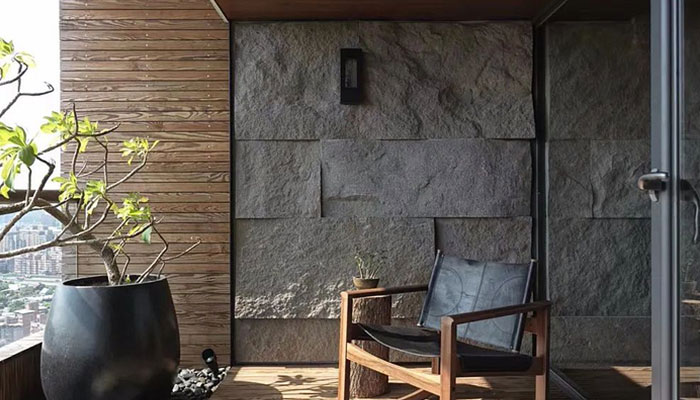
PU stone panels are a material called polyurethane. It is produced by foaming high-density polyurethane material using a special metal mold. This material is then used to make a new type of decorative wall panel that is fireproof, waterproof, corrosion-resistant, and abrasion-resistant.
From the raw material point of view, PU stone is more like a cross-border new material. It is often used to restore real stone decoration, and its ability to ‘make it look real’ makes it popular.
Table of Contents
Performance characteristics of PU Stone Panel
Here are the seven characteristics of PU stone with a realistic stone effect:
- Environmentally friendly. Due to the qualities of the raw material, no excessive artificial materials are added in the process of making PU stone panels.
- Fast. PU stone panels can be used indoors on almost any dry, flat surface. The total time required for installation is also much shorter compared to traditional cultured stone products.
- Lightweight. PU stone wall panels are lightweight due to the use of high-tech materials used to make them. And the installation can be done by one person without any other tools.
- Long service life. The product is made of polymer material with multiple layers of high-strength coating. It is acid-proof, sun-proof, UV-proof, and abrasion-proof.
- Easy to install.PU stone panel is easy to install with an internal card structure and seamless splicing. Most of the work doesn’t need to bury the joints first, it can be done directly with screws and gun nails.
- Realistic appearance. The product mold is made according to finely ground real stone. Although it is not exactly the same as real stone, a special process is used to ensure that the product has an authentic and exquisite appearance.
- Multifunctionality. After professional testing, the PU stone panel is waterproof, insect-proof, flame-retardant, and windproof. It can be installed on almost any flat surface indoors, outdoors, or in the basement.

What Raw Materials Are Used to Produce PU Stone Panels?
PU stone panels are usually made from a mixture of raw materials. These raw materials undergo a series of manufacturing processes to produce the finished product. Different manufacturers may use different combinations of raw materials. The following are the most commonly used raw materials:
- Polyurethane resin. Polyurethane resin is the main ingredient. It is a flexible material that can be molded in different ways. It gives panels flexibility, strength, and realistic texture.
- Fillers and reinforcements. Fillers and reinforcements are usually added to make a product stronger and more stable. These may include materials such as calcium carbonate, glass fiber, and other minerals.
- Colourants and pigments. Colorants and pigments are added to the polyurethane mixture to get the desired color and appearance. This ensures that the PU stone panel looks a lot like real stone.
- Release agents. During the production process, release agents help the finished panel to release more easily from the mold.
- Foaming agents. Foaming agents are sometimes used to give polyurethane a honeycomb structure. This makes the material lighter and more porous.
- Curing agents. They help to initiate and control the hardening process of polyurethane, ensuring that the material hardens properly.
- UV stabilizers. If the PU stone panel is to be used outdoors, a UV stabilizer can be added. It protects the material from sunlight and prevents the color from fading.
- Fire retardant. In cases where fire resistance is important, a flame retardant can be added to the panel to make it more fire resistant.
The exact formulation of the PU stone panel may vary. It depends on the manufacturer’s manufacturing process and the qualities they want the finished product to have. It is important to remember that PU can produce realistic, long-lasting fake stone panels and can be altered in many ways.

What Are the Most Important Raw Materials for PU Stone Panels?
The main raw material used to make PU stone panels is polyurethane resin. This is because polyurethane has many useful properties that make stone panels both beautiful and functional. Here are some of the reasons why polyurethane resin is a key point in production:
- Versatility. Polyurethane is highly adaptable. Therefore it can be used to create shapes and textures with many small details. This flexibility is instrumental in making faux stone wall panels look like real stone.
- Flexibility. Polyurethane panels are easy to handle and install because they can be bent. In fact, the panels’ flexibility also makes them durable. This is because they can bend and hit objects without breaking.
- Realistic texture. Polyurethane can be molded to give the same texture and detail as real stone surfaces. This is necessary to make faux stone wall panels look accurate and beautiful.
- Lightweight. Since polyurethane is a lightweight material, these panels are easier to move and install than real stone. This is especially useful in situations where weight is an issue.
- Durable. Polyurethane is extremely durable, so it can hold its shape for a long time. It can withstand wear and tear, impacts, and weather elements. This helps to extend the life of the product.
The polyurethane resin is the main component that determines the effect and properties of PU stone panels. Other materials and additives such as fillers, enhancers, colorants, and stabilizers play an important role in enhancing certain qualities of the stone panel.

What Kind of Colourants Are Used to Make the Color Last Longer?
PU stone panel manufacturers use colorants that do not fade or break down when exposed to UV light. This can prolong faux stone wall panels chroma or color vibrancy. Here are a few commonly used colorants:
- UV-resistant pigments. These pigments do not change when exposed to the sun’s ultraviolet (UV) rays. These pigments help prevent fading of colors and maintain their vibrancy when stone panels are placed outdoors.
- Inorganic pigments. Iron oxide pigments and other inorganic pigments are known for their stability. They are less likely to change in different environments. In addition, they do not fade as quickly as some organic pigments.
- Mineral pigments. Titanium dioxide and other mineral pigments are often used. This is because they retain their color even in different environments. Titanium dioxide is known for its ability to block UV rays.
- Weather-resistant dyes. Some dyes that do not fade in sunlight can make colors last longer. These colors stay long-lasting even in sunlight and other harsh weather conditions.
- Color stabilizers. To prevent colors from fading over time, color stabilizers such as chemicals and fillers can be added to the mixture.
- Polymer colorants. Polymer colorants are longer-lasting and more stable. Therefore more resistant to fading and external factors.
If you want to use PU stone panels outdoors or in areas exposed to high levels of sunlight. Then you should make sure that the colorant is specially manufactured to resist UV rays. The manufacturer may also test the colorants used to ensure that they meet certain performance standards.
If you want specific information about the colorants used in a particular brand of polyurethane stone panel. Then you should check the product specifications or get in touch with that brand.

What Flame Retardants Can Be Used to Make PU Stone Panel?
Flame retardants are an important part of making PU stone panels so that they are less likely to catch fire. Different types of flame retardants can be used for PU materials. In polyurethane compounds, these flame retardants are usually used:
- Halogenated flame retardants. Manufacturers often use brominated flame retardants such as hexabromocyclododecane (HBCD) or tetrabromobisphenol A (TBBPA). They slow down the combustion process very well. On the other hand, some brominated flame retardants are harmful to the environment.
- Phosphorus-based flame retardants. Phosphorus-containing compounds such as organophosphates and phosphonates help to extinguish fires. They work by stopping the combustion process.
- Inorganic flame retardants. Manufacturers often use magnesium hydroxide (MDH) or aluminum hydroxide (ATH). When these inorganics are heated, they release water vapor, which helps cool the material and extinguish the fire.
- Nitrogen-based flame retardants. Melamine is a nitrogen-containing substance that releases inert gases when exposed to heat. These gases can be mixed with flammable gases to reduce the risk of explosion.
- Intumescent flame retardants. Pentaerythritol and ammonium polyphosphate (APP) are this type of flame retardant. When exposed to heat, intumescent flame retardants grow and form a protective charcoal layer that prevents the fire from spreading.
When selecting a flame retardant for PU stone panels, it is important to consider the specific needs and performance objectives. You may also need to consider fire safety rules or regulations for the planned application. In addition, it is important to consider the potential environmental and human health impacts of certain flame retardants. Many times, manufacturers test the flame retardants they use to ensure they meet certain performance criteria.

Which UV Protectants Are Best for PU Stone Panels?
The choice of the best UV stabilizer for PU stone panels depends on many factors. For example, the type of polyurethane used, the intended use, and the weather conditions to which the panel will be exposed. Below are two types of UV protectants that are commonly used in PU stone panels:
UV Absorbers
A UV absorber is a chemical that absorbs UV light and converts it into heat. This prevents UV rays from entering the polyurethane matrix. These stabilizers provide good protection against color fading and decomposition under UV exposure.
Hindered Amine Light Stabilisers (HALS)
HALS is a UV stabilizer that scavenges free radicals produced by UV rays. HALS prevents polyurethane plastics from decomposing by preventing the production and diffusion of free radicals. HALS is particularly suitable for extending the service life of items exposed to the elements.
You can use either UV absorbers HALS, or a combination of both. This depends on the requirements of the PU stone panel and how it is manufactured. Manufacturers usually make products based on their UV protection, color retention, and weathering properties. It is best to talk to companies that manufacture or sell PU stone panels. You can find out which UV stabilizer they use in their formulations and whether this stabilizer is suitable for the job.
Get in Touch with Us
COOWIN is a manufacturer specializing in providing outdoor and indoor decorative materials. We can not only provide PU stone panels but also WPC wall panels, acoustic panels, and many other decorative materials. Contact our service team to get the free samples you want.
Related Post
Share

Latest blog

Do I Need to Cover the Entire Wall with Acoustic Panels?
April 8, 2025


The Basics of Acoustic Panels for an Auditorium
April 2, 2025